

Laos: Discovering the Quiet Heart of Southeast Asia
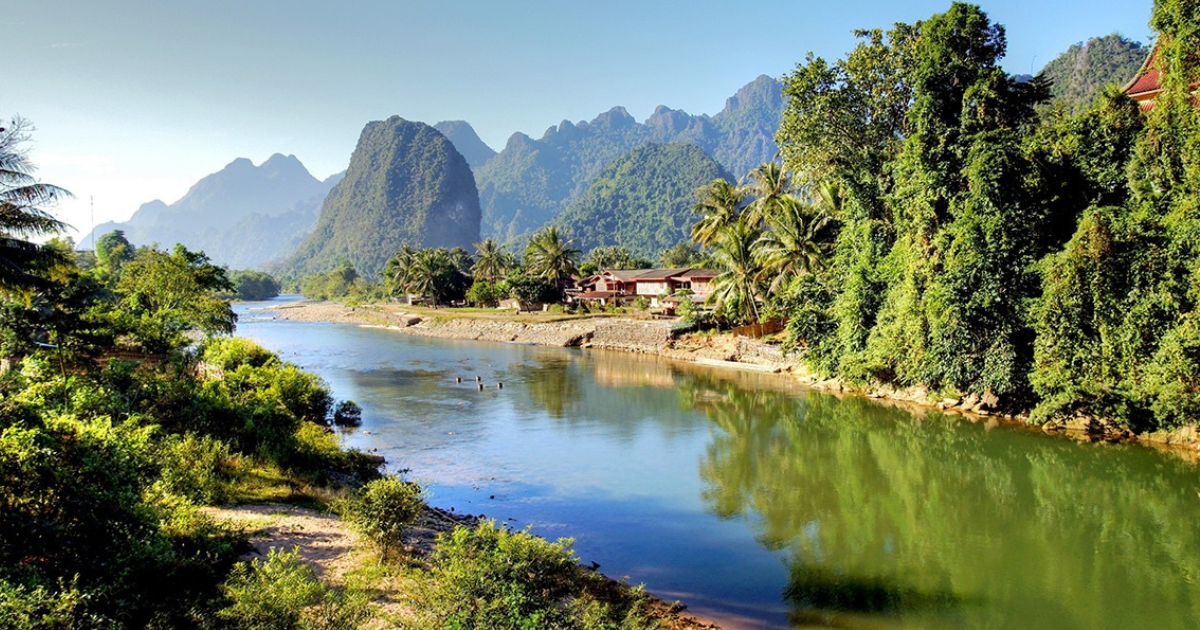
Laos, officially known as the Lao People’s Democratic Republic, is a peaceful and culturally rich country located in the heart of Southeast Asia. Unlike many of its neighbors, Laos has no coastline and is completely landlocked. It shares its borders with to the north, to the east, to the south, to the west, and to the northwest. The country covers approximately 236,800 square kilometers and is characterized by rugged mountains, dense forests, fertile river valleys, and traditional rural landscapes that have remained largely unchanged for centuries.
One of the defining natural features of Laos is the mighty , which flows along much of the western border and plays a crucial role in the country’s agriculture, transportation, and daily life. Many towns and villages are built along the riverbanks, and the Mekong has long been a source of food, trade, and cultural connection for the Lao people.
Laos has a population of around 7.5 million people, with diverse ethnic groups and communities spread across its mountainous regions and fertile lowlands. The capital city, , sits peacefully along the Mekong River and serves as the political, economic, and cultural center of the country. Despite being the capital, Vientiane retains a relaxed atmosphere with tree-lined streets, Buddhist temples, and French colonial architecture reflecting the country’s historical influences.
Historically, Laos traces its roots to the powerful kingdom of , which was established in the 14th century by King Fa Ngum. The name Lan Xang translates to “Land of a Million Elephants,” symbolizing both the kingdom’s strength and the importance of elephants in warfare, agriculture, and ceremonial life during that era. At its height, the kingdom controlled large parts of present-day Laos as well as surrounding regions in Southeast Asia.
Over time, however, the kingdom fragmented into smaller states due to internal conflicts and regional pressures. In the late nineteenth century, Laos became part of French Indochina under the control of . During the colonial period, the French introduced administrative reforms, infrastructure development, and elements of European architecture that are still visible in several Lao cities today. Laos eventually gained independence in 1953 after decades of colonial rule, marking a new chapter in its national history.
Today, Laos is known for its tranquil landscapes, strong cultural traditions, and deeply spiritual way of life. The country moves at a slower pace compared to many rapidly developing Asian nations, making it a destination where travelers can experience authentic traditions and natural beauty.
Culture
Culture in Laos is shaped by centuries of tradition, community values, and strong spiritual beliefs. The majority of the population practices , which influences daily life, architecture, festivals, and social customs across the country. Monasteries and temples, often decorated with golden roofs and intricate carvings, are central to Lao communities. They function not only as religious centers but also as places for learning, cultural preservation, and community gatherings.
One of the most meaningful cultural traditions in Laos is the Baci ceremony, an important ritual performed to celebrate significant life events. The ceremony is commonly held during weddings, births, welcoming guests, or even before someone begins an important journey. During the ritual, elders tie white cotton strings around the wrists of participants while offering blessings for good fortune, health, and harmony.
The ceremony symbolizes the belief that the human body is connected to spiritual energies or “souls.” When these souls remain balanced and protected, a person experiences happiness and well-being. The Baci ceremony reflects the Lao emphasis on unity, spirituality, and community bonds.
Festivals are also an essential part of Lao culture. Among the most celebrated is Boun Pi Mai, the Lao New Year festival, which takes place in April. During this time, families gather, temples are visited, Buddha statues are gently washed with perfumed water, and people joyfully splash water on each other in the streets. The festival symbolizes purification, renewal, and the welcoming of prosperity for the coming year.
Traditional Lao music, dance, and handicrafts are also important cultural expressions. Silk weaving, bamboo crafts, and intricate textiles continue to be produced by local artisans, many of whom use techniques passed down through generations.
Famous Foods
Lao cuisine is vibrant, aromatic, and deeply connected to the country’s agricultural traditions. Meals are typically shared among family members and are built around fresh herbs, vegetables, grilled meats, and rice.
1. Larb
is widely regarded as the national dish of Laos. It is a flavorful minced meat salad made with chicken, pork, beef, or fish. The meat is mixed with lime juice, roasted rice powder, fish sauce, fresh herbs, and chilies. Larb is often served with leafy vegetables and sticky rice, creating a refreshing balance of flavors that is both tangy and savory.
2. Sticky Rice
, known locally as “khao niao,” is the foundation of Lao cuisine. It is steamed in traditional bamboo baskets and eaten by hand. Small portions of sticky rice are rolled into balls and dipped into sauces or used to scoop up other dishes. For many Lao people, sticky rice is more than just food—it is a cultural identity.
3. Tam Mak Hoong
is the Lao version of green papaya salad. This dish combines shredded papaya with chilies, lime juice, fish sauce, garlic, and fermented ingredients. The result is a bold mixture of spicy, sour, and savory flavors that reflect the lively character of Southeast Asian cuisine.
4. Khao Piak Sen
is a comforting noodle soup often enjoyed for breakfast. Thick rice noodles are served in a rich broth with herbs, shredded chicken, and crispy garlic. The dish is warm, satisfying, and widely loved across the country.
5. Lao Sausage
is a popular grilled sausage flavored with lemongrass, garlic, galangal, and aromatic herbs. It is typically served with sticky rice and fresh vegetables, making it a favorite street food and market snack.
Places to Visit in Laos
Despite its relatively small size, Laos offers a wide range of scenic landscapes, cultural landmarks, and historic sites that attract travelers from around the world.
1. Luang Prabang
is one of the most charming cities in Southeast Asia and is recognized as a UNESCO World Heritage Site. The city sits at the meeting point of the Mekong and Nam Khan rivers and is known for its beautifully preserved temples, colonial buildings, and peaceful atmosphere. Every morning, monks walk through the streets collecting alms from residents, a centuries-old tradition that continues today.
2. Kuang Si Falls
is one of the most breathtaking natural attractions in Laos. Located about 30 kilometers from Luang Prabang, the waterfall cascades through multiple limestone tiers, creating turquoise pools surrounded by lush tropical forest. Visitors often swim in the pools or explore the surrounding trails.
3. Plain of Jars
The mysterious is one of the most intriguing archaeological landscapes in Southeast Asia. Thousands of massive stone jars are scattered across the plateau in northern Laos. Historians and archaeologists believe these jars may have been used in ancient burial rituals, although their exact purpose remains uncertain.
4. Vang Vieng
is a scenic town surrounded by dramatic limestone mountains, caves, and rivers. Once known mainly for backpacker activities, it has evolved into an eco-adventure destination offering kayaking, hiking, hot air balloon rides, and cave exploration.
5. Pha That Luang
is the most sacred national monument in Laos. Located in Vientiane, this golden Buddhist stupa is a symbol of Lao sovereignty and religious devotion. Every year, thousands of pilgrims gather here for an important religious festival held in its honor.
Fascinating Facts about Laos
Laos holds many unique distinctions that make it different from other countries in Southeast Asia.
- Laos is the only landlocked country in Southeast Asia, making rivers especially important for trade and travel.
- The is the country’s lifeline, supporting agriculture, fishing, and transportation.
- Buddhism strongly influences Lao culture, shaping architecture, art, and everyday life.
- is considered one of the quietest capital cities in the region.
- The remains one of the world’s most mysterious archaeological sites.
- Laos is often called the “Land of a Million Elephants,” a historical reference to the kingdom of .
Laos is a country where ancient traditions blend gracefully with natural beauty. From mist-covered mountains and winding rivers to golden temples and vibrant markets, the country offers an experience rooted in authenticity and cultural depth. Its slow pace of life, welcoming communities, and preserved heritage make Laos a remarkable destination that continues to captivate visitors seeking both adventure and serenity.