

Coca-Cola Blāk: The Bold Beverage Experiment That Was Ahead of Its Time
The beverage industry has witnessed countless product launches over the decades, but only a handful have captured as much curiosity as Coca-Cola Blāk. Introduced as a premium fusion of cola and coffee, it promised consumers a completely new drinking experience by combining the familiar taste of Coca-Cola with rich coffee flavors. The idea was ambitious, innovative, and unlike anything mainstream soft drink companies had attempted before.
Although its time on store shelves was short, Coca-Cola Blāk remains one of the most fascinating product experiments in the history of the beverage industry. It demonstrated the willingness of one of the world’s largest brands to take creative risks, test changing consumer preferences, and redefine what a soft drink could be. Today, marketing professionals, product developers, and business leaders continue to study the launch as an example of both innovation and the challenges of introducing a completely new product category.
The Story Behind Coca-Cola Blāk
By the early 2000s, consumer preferences were changing rapidly. Traditional carbonated soft drinks were facing increased competition from bottled water, energy drinks, specialty coffees, ready-to-drink teas, and functional beverages. Coffee culture was also growing at an unprecedented pace, with premium cafés becoming popular worldwide.
Recognizing these changing trends, Coca-Cola searched for ways to diversify its beverage portfolio. Instead of competing directly with coffee chains, the company explored a product that combined the refreshing qualities of cola with the bold taste of coffee. This vision eventually led to the creation of Coca-Cola Blāk.
The product was first introduced in France in 2006 before expanding into several international markets, including the United States, Canada, and parts of Europe. It was positioned as a sophisticated beverage designed for adults looking for something different from traditional soft drinks.
What Made Coca-Cola Blāk Different?
Unlike regular Coca-Cola, Coca-Cola Blāk contained real coffee flavor blended with cola. The beverage featured a slightly less sweet taste than the original Coca-Cola and included additional caffeine from its coffee ingredients.
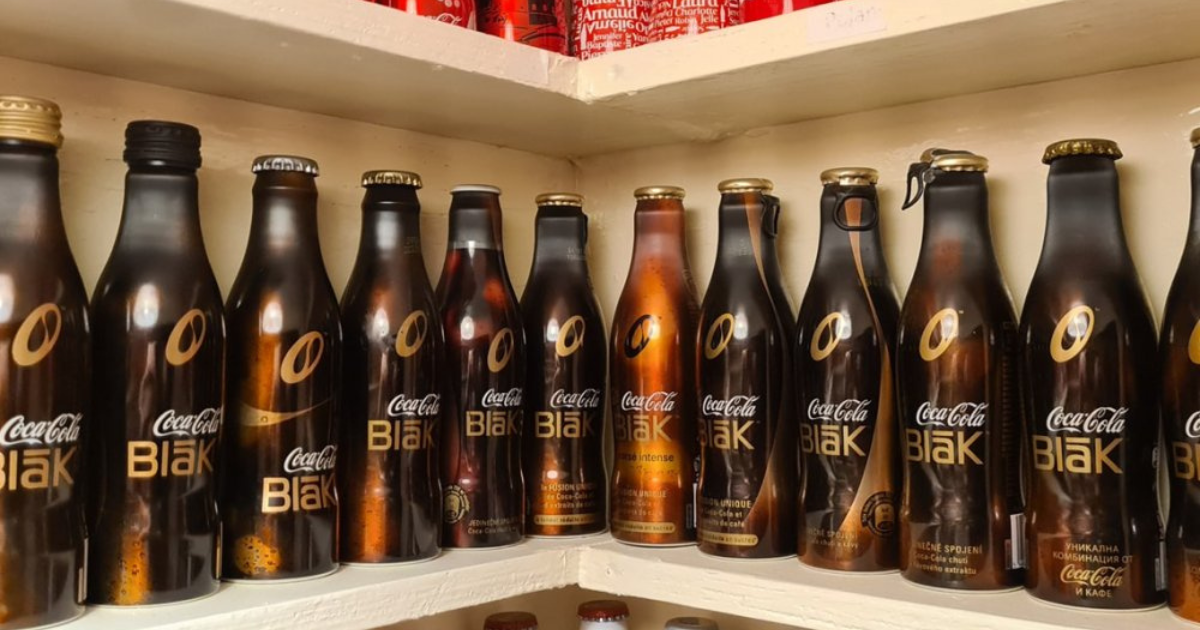
The drink was packaged in sleek glass bottles that reflected its premium positioning. Everything from the label design to the bottle shape communicated elegance and modernity rather than the playful image associated with classic cola products.
Its flavor profile was intentionally complex. Consumers experienced the familiar caramel notes of cola alongside roasted coffee aromas, creating a beverage that felt somewhere between a soft drink and an iced coffee.
For adventurous consumers, this unique combination was exciting. For others, however, it proved difficult to understand.
Product Development and Innovation
Developing Coca-Cola Blāk required extensive research and experimentation. Beverage scientists worked to balance two flavors that traditionally belonged to different categories.
Coffee naturally contains bitterness and roasted notes, while cola is known for sweetness, citrus hints, vanilla, caramel, and spices. Combining these characteristics without allowing one to overpower the other required precise formulation.
The development team also had to maintain the recognizable Coca-Cola identity while introducing enough coffee flavor to make the product distinctive.
The result was a beverage that challenged consumer expectations and expanded the boundaries of what cola products could become.
The Marketing Strategy
Coca-Cola marketed Coca-Cola Blāk as an upscale beverage aimed primarily at adults between the ages of 25 and 39.
Rather than presenting it as another soda, advertisements emphasized sophistication, creativity, and modern lifestyles. Marketing campaigns highlighted the drink as an alternative refreshment for professionals and urban consumers seeking premium experiences.
The elegant bottle design reinforced this positioning. Unlike brightly colored soda packaging, Coca-Cola Blāk adopted darker tones and minimalist branding to communicate refinement.
The company also relied on curiosity marketing. Since very few people had ever tasted coffee-flavored cola, the novelty itself generated media attention and consumer interest.
Consumer Reactions
Initial curiosity surrounding Coca-Cola Blāk was significant. Many consumers purchased the beverage simply to experience its unusual flavor combination.
Reviews, however, were mixed.
Some appreciated the bold concept and enjoyed the smoother, less sugary profile compared to traditional soft drinks. Coffee lovers often found the beverage refreshing and different from standard ready-to-drink coffee products.
Others struggled to categorize it.
Was it a soft drink?
Was it coffee?
Was it an energy beverage?
The uncertainty created confusion among consumers. Many expected either a stronger coffee flavor or a more familiar Coca-Cola taste. Because the beverage occupied a space between both categories, it sometimes failed to fully satisfy fans of either.
Why Coca-Cola Blāk Struggled
Despite receiving attention during its launch, Coca-Cola Blāk faced several obstacles.
Unclear Market Position
Consumers generally understand whether they are buying coffee, soda, or an energy drink. Coca-Cola Blāk blurred these categories, making it difficult for shoppers to know exactly where it belonged.
Premium Pricing
The beverage was priced higher than regular soft drinks. While the premium packaging justified part of the cost, many consumers hesitated to pay more for an unfamiliar product.
Limited Consumer Demand
Although innovation attracted early interest, repeat purchases remained relatively low. Curiosity alone was not enough to sustain long-term sales.
Taste Preferences
Taste is highly personal. Combining coffee and cola created a distinctive profile that appealed strongly to a niche audience but not to mainstream consumers.
Retail Challenges
Retailers also faced questions about placement. Should Coca-Cola Blāk be displayed with soft drinks, coffee beverages, or premium specialty drinks? Inconsistent placement sometimes reduced visibility.
Discontinuation
Only a few years after its launch, Coca-Cola Blāk was discontinued in many markets. By 2008, the product had largely disappeared from store shelves.
The decision reflected the company’s focus on products with stronger long-term growth potential.
Although its commercial lifespan was relatively short, Coca-Cola Blāk continued to attract attention from collectors, beverage enthusiasts, and marketing professionals who viewed it as an ambitious experiment rather than a complete failure.
Lessons for Product Innovation
Coca-Cola Blāk offers valuable lessons for businesses introducing innovative products.
Innovation Must Solve a Clear Consumer Need
Novelty can generate headlines, but long-term success depends on solving a genuine consumer problem or fulfilling a recognizable demand.
Positioning Is Critical
Consumers should immediately understand what a product is, who it serves, and why they should purchase it. Complex positioning often creates hesitation.
Education Matters
When introducing an entirely new category, brands must invest in educating consumers about usage occasions, benefits, and flavor expectations.
Premium Products Need Strong Value
Higher prices require clear justification through quality, convenience, exclusivity, or unique functionality.
Was Coca-Cola Blāk Ahead of Its Time?
Many analysts believe Coca-Cola Blāk entered the market before consumers were fully prepared for hybrid beverages.
Today, coffee-infused drinks have become far more common. Cold brew coffee, nitro coffee, sparkling coffee beverages, and caffeinated flavored drinks have all gained popularity.
Modern consumers are generally more open to unusual flavor combinations than they were in the mid-2000s.
This has led some industry observers to suggest that Coca-Cola Blāk may have performed differently if launched in today’s beverage market.
Influence on Future Products
Although Coca-Cola Blāk disappeared, its influence remained visible.
The Coca-Cola Company continued exploring coffee-based beverages and eventually introduced products combining coffee and cola in different forms.
Other beverage manufacturers also experimented with sparkling coffee, coffee energy drinks, and premium caffeinated beverages.
These later innovations benefited from evolving consumer preferences and increased acceptance of category blending.
Packaging and Brand Identity
Packaging played a significant role in Coca-Cola Blāk’s identity.
The elegant glass bottle distinguished it from traditional plastic soda bottles. Its darker color palette suggested maturity and sophistication rather than youthful excitement.
This premium presentation aligned with the company’s strategy of targeting adult consumers who appreciated gourmet products and specialty beverages.
Even years after discontinuation, the bottle design remains memorable among collectors.
Marketing Perspectives
From a marketing standpoint, Coca-Cola Blāk demonstrates the balance between innovation and familiarity.
Consumers often welcome innovation when it builds naturally upon products they already know. However, radical departures from established expectations can require significant education and patience.
Brands with strong identities sometimes face additional challenges because customers already have clear expectations about what the brand represents.
For Coca-Cola, whose flagship product had remained largely unchanged for generations, introducing coffee into its iconic formula represented a dramatic shift.
Consumer Psychology
Consumer psychology also influenced the product’s reception.
People generally develop strong emotional attachments to familiar flavors. Introducing unexpected taste combinations can trigger hesitation even before the first sip.
Expectation plays an important role in taste perception.
Someone expecting a classic cola may find coffee notes surprising.
Someone expecting coffee may find the sweetness of cola overwhelming.
Managing expectations therefore becomes just as important as creating the product itself.
Business Lessons
Companies across industries can learn several strategic lessons from Coca-Cola Blāk.
Innovation should always be supported by extensive consumer research.
Premium positioning requires clear communication.
Distribution strategies should match consumer shopping habits.
Product categories should be easy to understand.
Most importantly, businesses should recognize that unsuccessful experiments still provide valuable insights that shape future innovations.
Many breakthrough products only emerge after companies learn from earlier attempts that did not achieve commercial success.
The Legacy of Coca-Cola Blāk
Although Coca-Cola Blāk is no longer available, it continues to occupy a unique place in beverage history.
Collectors seek unopened bottles as memorabilia.
Marketing textbooks frequently reference it when discussing product innovation and market positioning.
Business schools analyze the launch to understand consumer behavior, branding strategies, and the risks associated with category expansion.
More importantly, Coca-Cola Blāk demonstrated that even the world’s largest companies are willing to experiment, accept uncertainty, and explore entirely new concepts.
Innovation always involves risk, and not every product becomes a long-term success. However, companies that never experiment often miss future opportunities.
Conclusion
Coca-Cola Blāk represents one of the boldest beverage innovations ever introduced by The Coca-Cola Company. By combining cola and coffee into a premium drink, the brand challenged traditional beverage categories and encouraged consumers to experience something entirely different. While the product ultimately struggled because of unclear positioning, niche appeal, and changing market dynamics, it remains a valuable case study in innovation, branding, and consumer psychology.
Today, the beverage industry embraces experimentation more than ever, with sparkling coffees, functional drinks, and hybrid beverages becoming increasingly common. Looking back, Coca-Cola Blāk appears less like a failure and more like an idea introduced before the market was fully ready. Its legacy reminds businesses that innovation requires courage, thoughtful execution, and a willingness to learn from every outcome. Even products with short commercial lives can leave a lasting impact on industry trends and inspire future generations of product development.