

5 Oldest Construction in the World: Ancient Wonders That Still Stand Today
Human civilization has always been driven by the desire to build, create, and leave a lasting legacy. Long before modern engineering and advanced construction equipment existed, ancient societies erected remarkable structures using simple tools, natural materials, and extraordinary craftsmanship. Many of these buildings have survived for thousands of years, offering valuable insights into early cultures, religious beliefs, and architectural innovation.
The 5 Oldest Construction in the World continue to fascinate archaeologists, historians, and travelers alike. From prehistoric temples to ancient stone towers, these remarkable monuments demonstrate the ingenuity of early civilizations and their ability to create structures that have endured the test of time.
In this article, we explore five of the oldest surviving constructions in the world, their history, architectural significance, and the mysteries that still surround them.
1. Göbekli Tepe, Turkey
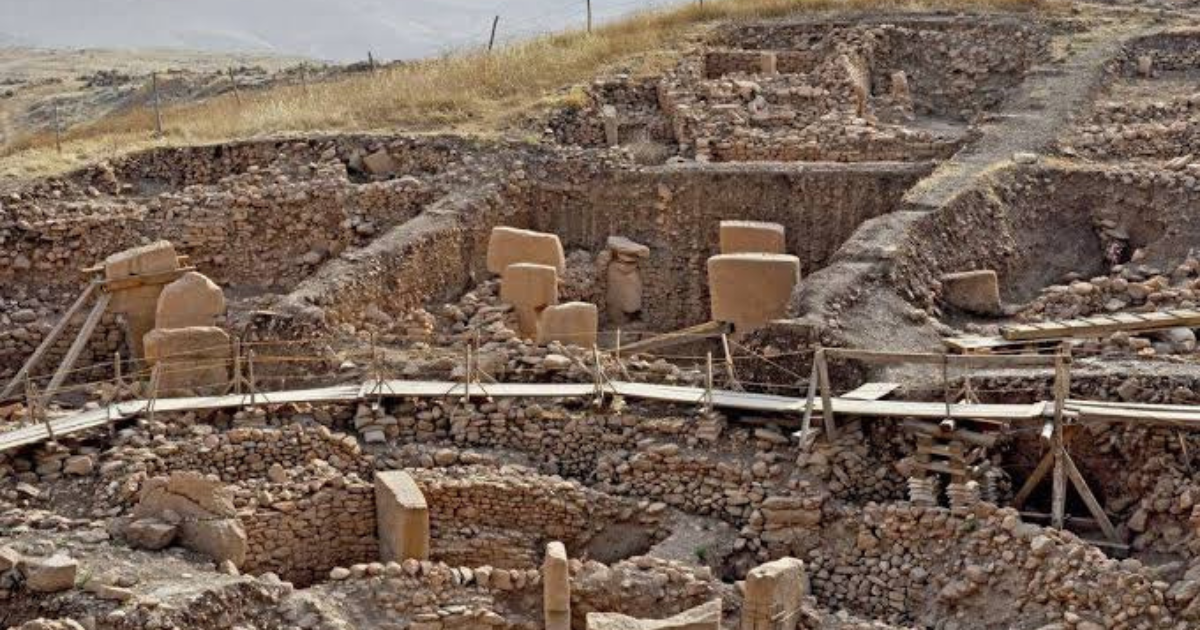
One of the most astonishing archaeological discoveries of modern times, Göbekli Tepe is widely regarded as the world’s oldest known monumental construction.
Located in southeastern Turkey, the site dates back to approximately 9600 BCE, making it more than 11,000 years old. Built long before the invention of pottery or agriculture, Göbekli Tepe challenged long-held assumptions about the development of human civilization.
The complex consists of massive circular enclosures featuring towering T-shaped limestone pillars, some reaching over five meters in height and weighing several tons. Many of these pillars are intricately carved with images of wild animals, birds, snakes, foxes, and abstract symbols.
Archaeologists believe the site served as a ceremonial or religious center where early hunter-gatherer communities gathered for rituals and social activities. Surprisingly, no evidence suggests it functioned as a permanent settlement.
The construction of Göbekli Tepe required remarkable planning, organization, and cooperation, demonstrating that sophisticated societies existed thousands of years earlier than previously believed.
Today, it remains one of the most important archaeological sites ever discovered and continues to reshape our understanding of prehistoric human history.
2. Tower of Jericho, Palestine
The Tower of Jericho stands among the earliest examples of monumental stone architecture ever constructed.
Dating to around 8000 BCE, this impressive stone tower is located within the ancient city of Jericho, one of the world’s oldest continuously inhabited settlements.
The circular tower rises approximately 8.5 meters high and was constructed using carefully arranged stone blocks. An internal staircase with more than twenty steps leads to the top, highlighting an impressive level of engineering for such an early period.
Historians continue debating the tower’s original purpose. Some believe it served as a defensive structure protecting the settlement from potential threats, while others suggest it functioned as a ceremonial monument or even an astronomical observation point.
Regardless of its exact purpose, the Tower of Jericho demonstrates that early communities possessed advanced construction skills and organizational abilities.
Its survival over thousands of years makes it one of humanity’s greatest prehistoric engineering achievements.
3. Ġgantija Temples, Malta
Among the oldest free-standing stone structures in the world, the Ġgantija Temples on the Mediterranean island of Gozo represent an extraordinary achievement of prehistoric architecture.
Constructed between approximately 3600 BCE and 3200 BCE, the temples predate both Stonehenge and the Egyptian pyramids.
The name “Ġgantija” comes from the Maltese word for “giant,” reflecting ancient legends that claimed giants built the enormous stone complex.
The temples consist of interconnected chambers surrounded by massive limestone blocks, some weighing more than fifty tons. Despite their enormous size, the stones were positioned with remarkable precision using only primitive tools.
Archaeological evidence suggests the temples served religious purposes, with altars, ceremonial spaces, and evidence of ritual animal sacrifices discovered throughout the site.
The sophisticated design includes curved walls, carefully planned entrances, and acoustic features that may have enhanced ceremonial activities.
Today, the Ġgantija Temples are recognized as a UNESCO World Heritage Site and remain among Europe’s most significant prehistoric monuments.
4. Newgrange, Ireland
Located in County Meath, Ireland, Newgrange is one of Europe’s most impressive prehistoric monuments.
Built around 3200 BCE, Newgrange is older than both Stonehenge and the Great Pyramid of Giza.
The structure is a large circular passage tomb surrounded by a massive mound of earth and stone measuring approximately 85 meters in diameter.
Visitors enter through a narrow stone passage leading to a central chamber featuring a corbelled stone roof that has remained waterproof for over five thousand years.
One of Newgrange’s most remarkable features is its precise astronomical alignment.
Every year during the winter solstice, sunlight enters through a specially designed roof box above the entrance, illuminating the inner chamber for approximately seventeen minutes.
This extraordinary phenomenon demonstrates the advanced astronomical knowledge possessed by its builders.
The exterior of the monument is decorated with beautifully carved spiral motifs, geometric patterns, and symbolic artwork that continue to intrigue archaeologists.
Although originally constructed as a burial monument, Newgrange likely held deep religious and ceremonial significance for the communities that built it.
Its engineering precision remains one of the greatest achievements of prehistoric Europe.
5. Pyramid of Djoser, Egypt
The Pyramid of Djoser marks a revolutionary milestone in architectural history.
Constructed around 2670 BCE during Egypt’s Third Dynasty, it is considered the world’s oldest large-scale stone pyramid.
Designed by the renowned architect Imhotep for Pharaoh Djoser, the monument introduced the concept of stacked stone mastabas, creating the first step pyramid.
Standing approximately 62 meters tall, the pyramid originally formed the centerpiece of a vast funerary complex that included temples, courtyards, ceremonial buildings, and protective walls.
The use of cut limestone blocks represented a significant advancement over earlier mudbrick construction methods.
The Pyramid of Djoser laid the foundation for later pyramid construction, ultimately leading to the development of the famous pyramids at Giza.
Its innovative engineering techniques influenced Egyptian architecture for centuries and demonstrated remarkable advances in structural design.
Following extensive restoration efforts, the pyramid continues attracting millions of visitors interested in ancient Egyptian civilization.
What Makes These Ancient Structures Extraordinary?
The remarkable longevity of these constructions reflects the exceptional knowledge and determination of their builders.
Several factors contribute to their survival:
- Durable natural materials such as limestone and granite.
- Careful site selection with stable geological conditions.
- Exceptional craftsmanship and precise stone placement.
- Strong religious and cultural importance that encouraged preservation.
- Continuous archaeological conservation efforts in modern times.
These characteristics allowed many ancient monuments to survive earthquakes, weather, conflicts, and thousands of years of natural erosion.
Engineering Without Modern Technology
One of the most fascinating aspects of these ancient constructions is that they were built without modern machinery.
Builders relied on simple stone tools, wooden rollers, ropes, levers, and human labor to transport and position enormous blocks.
Careful planning, teamwork, and practical engineering knowledge made it possible to complete projects that still impress modern architects.
Although many construction techniques remain partially mysterious, archaeological research continues uncovering evidence of sophisticated planning methods used by ancient civilizations.
Why These Sites Matter Today
The 5 Oldest Construction in the World provide far more than historical curiosity.
They help researchers understand the origins of architecture, urban planning, religious practices, and social organization.
These monuments also reveal that innovation existed long before written history, challenging earlier assumptions about prehistoric societies.
For travelers, they offer unforgettable opportunities to experience humanity’s earliest architectural achievements firsthand.
For engineers and architects, they continue inspiring modern design through their durability, precision, and timeless beauty.
Preservation Challenges
Despite surviving for thousands of years, these ancient monuments face numerous modern threats.
Climate change, pollution, earthquakes, uncontrolled tourism, and natural weathering all contribute to gradual deterioration.
Governments, archaeologists, UNESCO, and conservation specialists work together to stabilize structures, monitor environmental conditions, and educate visitors about responsible tourism.
Advanced technologies such as laser scanning, digital mapping, and 3D modeling now play an important role in preserving these irreplaceable historical treasures.
Conclusion
The 5 Oldest Construction in the World stand as remarkable reminders of humanity’s creativity, determination, and engineering brilliance. From the mysterious stone pillars of Göbekli Tepe and the ancient Tower of Jericho to the magnificent Ġgantija Temples, the astronomical precision of Newgrange, and Egypt’s revolutionary Pyramid of Djoser, each structure tells a unique story about the people who built it.
These monuments continue to inspire historians, architects, archaeologists, and travelers by proving that extraordinary achievements were possible even with the simplest tools. As ongoing research reveals new discoveries about these ancient masterpieces, they remain enduring symbols of human ingenuity and our timeless desire to create structures that outlast generations.